The Evolution of the Christmas Cake
Grab yourself a slice of the holiday season — no matter which version you prefer.
Dec 08, 2025
Known for its grand meals and mountains of leftovers, the holiday season can feel like one never-ending feast.Thanksgiving, with its turkey, stuffing, gravy, and parade ofendless side dishes, is certainly the main course.Christmas, despite being synonymous withham, seems more focused ondessert, with its sugar cookies, gingerbread, eggnog,peppermint, and traditionalChristmas cake,a dense and delectable treat with humble origins in medieval Europe.
In 14th-century England, Christmas cake began as "plum pudding" or “pottage,” a hearty, warm porridge of grains,dried fruits, and meat consumed on Christmas Eve after a month-long Advent fast from rich foods. During the 1600s, families began to add traditional cake ingredients, such as eggs, butter, and wheat flour to their pottage, resulting in a denser, more dessert-like end product.
READ MORE: Fruitcake: The Dessert That's More Punchline Than Delicacy
Increased trade in the 1700s saw the English work exotic sugars, dried raisins, currants, and new spices like cinnamon, cloves, and nutmeg into their recipes. The addition of suet, a raw fat derived from cattle or sheep, incorporated the savory, further transforming the once-modest plum porridge into an indulgence well fit for a season associated with abundance and celebration.

During the 18th century, brandy became a standard Christmas cake ingredient. Tradition found families baking a cake weeks before the holiday, then occasionally “feeding” it with more drink to enhance its flavors as it aged. With an eventual marzipan glaze and blanket of royal icing, the decadentfruitcakeremained edible throughout winter thanks to its alcohol and high sugar content.
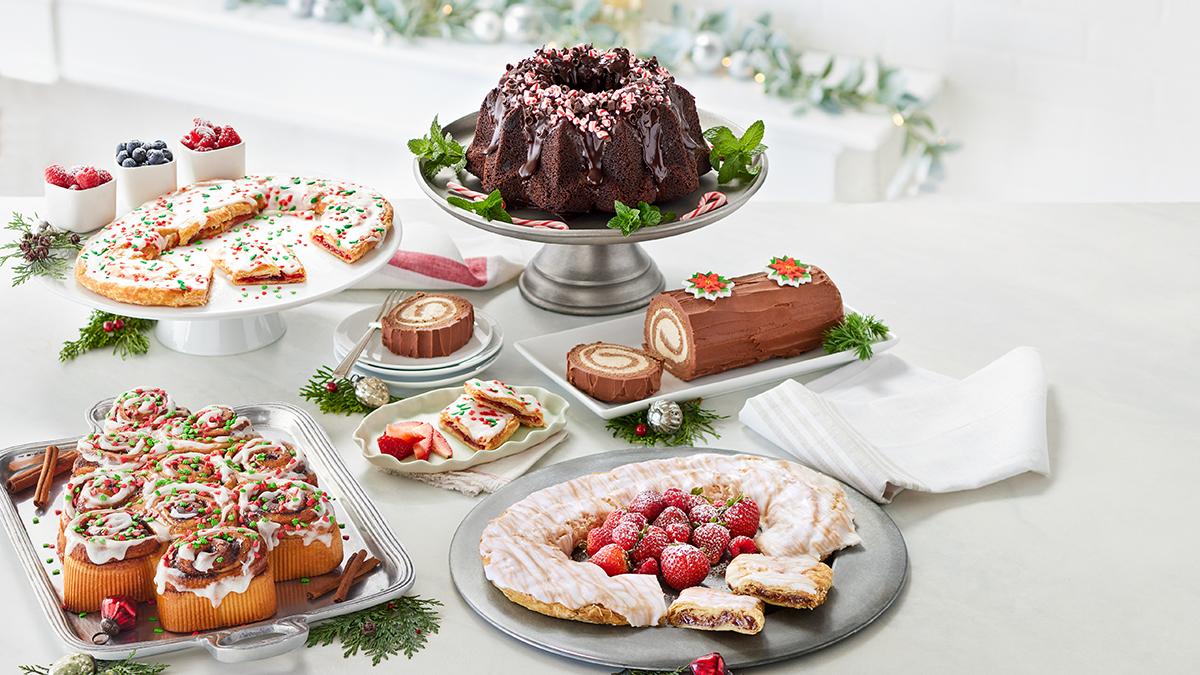
Modern spinoffs include an American version withbright red and green candied fruitsand Italy’s panettone, a dome-shaped fruit cake with lemon and vanilla. Germany’s stollen features currants, cardamom, and powdered sugar, while theBûche de Noël, or Yule log, is a chocolate cream sponge cake made toresemble the good luck logburned by the French on Christmas Eve.
READ MORE: The Bûche de Noël: A Christmas Cake From France With an American Twist
Certain flavors in holiday treats — ones that convey a sensation of temperature — have become synonymous with a “holiday aroma.”Cinnamonand nutmeg offer a warm, spiced depth reminiscent of the fireside, whereas the fresh,cool bite of peppermintsuggests frigid winter nights. Orange zest and ginger are doubly effective, conveying both the zing of chilly winds and radiance from the hearth.